
Have you ever wondered how milk can stay fresh for months without refrigeration? That’s the magic of UHT milk! Ultra-High Temperature (UHT) processing is a game-changer in the dairy world, providing a longer shelf life and unmatched convenience. But is it the best option for you? Let’s dive deeper into what makes UHT milk unique, how it compares to fresh pasteurized milk, and whether it aligns with your health and lifestyle needs.
What is UHT Milk?
The term UHT stands for Ultra-High temperature processing. UHT milks are pasteurized at extremely high temperatures, flash heating for 3-5 seconds generally at 135-150 degrees to ensure that all pathogens and bacteria die out within the milk. This process increases the milk’s shelf life and allows it to be stored at room temperature for up to 3 months without going bad. This process of milk is popular in areas of the world where there are limited refrigeration infrastructures, allowing the milk to be stored and consumed over long periods of time.
UHT Milk vs Fresh Pasteurized Milk
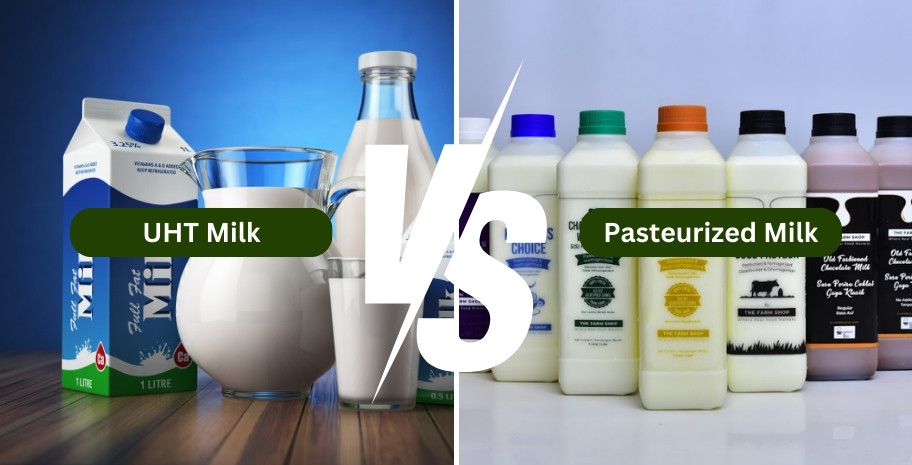
The primary difference between UHT milk and fresh pasteurized milk lies in their processing methods, shelf life, and storage requirements. UHT milk undergoes ultra-high-temperature processing, where it is shock heated to approximately 135–150°C (275–302°F) for 3–5 seconds, effectively sterilizing it and enabling it to be stored at room temperature for several months in aseptic packaging.
In contrast, fresh pasteurized milk is heated to a lower temperature, typically around 72°C (161°F) for 15 seconds, which eliminates most harmful bacteria but preserves more of the milk’s natural flavor and nutritional value. However, pasteurized milk has a much shorter shelf life—usually 5–7 days when refrigerated—and requires constant cold storage to prevent spoilage.
While UHT milk is valued for its convenience and long shelf life, fresh pasteurized milk is often preferred for its superior taste, texture, and retention of heat-sensitive nutrients like certain vitamins and enzymes, though it requires careful handling and quicker consumption. The choice between the two often depends on individual needs, such as storage capabilities, nutritional priorities, and taste preferences.
Learn more: Pasteurized Milk vs Boiling Raw Milk
UHT Milk vs Fresh Milk: A Quick Comparison
Benefits of UHT Milk: Economical and Accessibility
UHT milk offers significant benefits in terms of convenience, affordability for storage, and practicality, making it a popular choice for many households and businesses worldwide. Its ultra-high-temperature processing ensures that the milk is sterile and safe to consume, with an extended shelf life of several months when stored in its sealed packaging. This eliminates the need for refrigeration before opening, making it an ideal option for regions with limited access to reliable cold storage or for individuals who want to stock up on essentials without worrying about spoilage.
UHT milk is particularly advantageous for reducing food waste, as it remains usable for a longer period compared to fresh milk, which can spoil quickly if not consumed promptly.
Economically, UHT milk is often more affordable than fresh milk, as its extended shelf life reduces distribution and storage costs for producers and retailers, leading to savings that are often passed on to consumers. Its long-lasting nature also makes it a practical choice for emergencies, travel, or outdoor activities, where refrigeration may not be available. Additionally, UHT milk retains most of the essential nutrients found in regular milk, such as calcium, protein, and certain vitamins, ensuring that it still provides core health benefits while offering unmatched convenience.
For many, the benefits of UHT milk outweigh its drawbacks, especially in fast-paced or resource-limited environments where practicality and cost-effectiveness are priorities.
Disadvantages of UHT Milk: Negative Impacts on Gut Health and Digestion
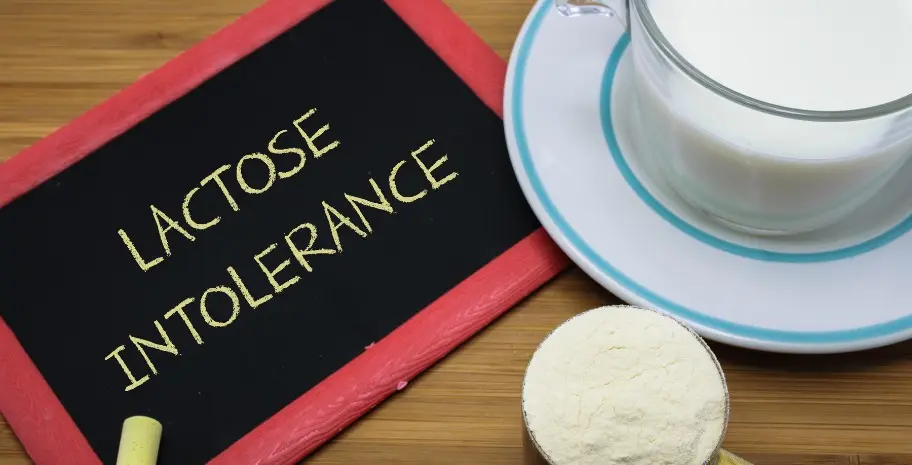
Many health experts argue that the ultra-high-temperature processing not only compromises its nutritional value but may also have detrimental effects on gut health and digestion. The process of heating milk to extreme high temperatures past boiling point for several seconds destroys harmful microorganisms but also deactivates essential enzymes like lactase, which aids in the digestion of lactose. This can make UHT milk harder to digest for some individuals, especially those with lactose intolerance or sensitive digestive systems.
Additionally, the extreme heat denatures proteins in the milk, altering their structure and potentially reducing their bioavailability, which means the body may not absorb these proteins as effectively. Key nutrients, particularly heat-sensitive vitamins like B12, B6, and C, are significantly diminished, leaving UHT milk with a lower nutritional profile compared to fresh or minimally processed milk.
Moreover, the sterilization process not only eliminates harmful bacteria but also eradicates beneficial bacteria that could support gut health. These natural probiotics are important for maintaining a balanced gut microbiome, which plays a vital role in digestion, immune function, and overall health. The absence of these probiotics, coupled with the denatured proteins and reduced enzyme activity, may contribute to digestive discomfort and may even negatively impact gut microbiota over time.
For these reasons, health experts and consumers advocate for alternatives like lightly pasteurized fresh milk, fermented dairy products, or plant-based options that retain more of their natural nutritional properties and are gentler on digestion. While UHT milk offers the convenience of a long shelf life, it often comes at the expense of both nutritional quality and potential health benefits.

Concluding Remarks
Overall, we would recommend consuming fresh pasteurized milk over UHT milk as it is much more beneficial for your health, and at the end of the day, health is wealth. Although UHT milk is safe to consume, the negative impacts that it can cause on your digestive system just isn’t worth it at all. UHT milk is a great choice for those who prioritize long shelf life and convenience, while fresh milk might be preferred for its slightly fresher taste. However, if you have access to a proper refrigeration system, UHT milk is most definitely not recommended to consume.
Here at The Farm Shop, we provide a range of delicious perfectly pasteurized A2 homogenised and non-homogenised milks that are rich in nutrients and vitamins. Sign up for our convenient fresh milk subscription plan and get fresh milk delivered right to your doorstep on a weekly basis without fail! Put in your order with The Farm Shop today.