
Lactose Intolerance is more rare than you think. Many of us, especially of Asian descent, have a preconceived notion that we have lactose intolerance. The cloud of fear surrounding dairy products these days drives us away from consuming regular dairy products. But what if I told you that much of it is a myth? We are, after all, mammals and the defining characteristic of mammals is that we produce milk as a food. Therefore, we must be able to drink it.
What is Lactose Intolerance?
Let’s be clear: lactose intolerance is when someone has trouble digesting lactose, the natural sugar found in milk and dairy products leading to symptoms like bloating, gas, diarrhea, or stomach cramps. This happens because their body doesn’t produce enough of an enzyme called lactase, which helps break down lactose so it can be absorbed into our system.
Symptoms of Lactose Intolerance
Here’s where things get tricky. There are other reasons that you’re having trouble digesting milk but the symptoms are the same as lactose intolerance. Let us break it down for you:
- Lactose intolerance: You’d need a test to confirm. Symptoms? Gas, bloating, and discomfort after dairy.
- Milk allergy: Rare but serious—this involves the immune system. Testing is key!
- Lack of enzymes: If you rarely drink milk, your body might not be used to digesting it. Try a little milk daily for a few days—your enzymes will catch up!
- Additives: Many brands use thickeners, stabilizers, and more, which can upset your stomach. We keep our milk pure—no nasties here! If you still have your doubts. Try The Farm Shop’s A2 Channel Island Whole Milk range which is more easily digestible.
- Gut Illnesses: Symptoms can be triggered temporarily or permanently by illnesses that affect the gut, such as food poisoning, stomach flu, or other chronic conditions that affect your gut’s microbiome.
The only way to diagnose lactose intolerance is via a medical test.

How to Manage your Lactose Intolerance
Managing lactose intolerance involves a combination of dietary adjustments and lifestyle strategies. The first step is to limit or avoid foods that contain lactose, such as milk, cheese, and ice cream.
For those who still want to consume dairy, lactose-free options or dairy products treated with lactase enzymes can be helpful, as they break down lactose, making them easier to digest.
In addition, consuming dairy products in smaller amounts spread throughout the day can sometimes reduce symptoms. Incorporating non-dairy alternatives, like almond, soy, or oat milk, provides nutrition without the discomfort. It can also be beneficial to take lactase supplements before consuming dairy to aid in lactose digestion.
Finally, balancing the diet with calcium-rich, lactose-free foods (like leafy greens or fortified plant-based milks) helps ensure adequate calcium intake. If symptoms persist or worsen, it's important to consult a healthcare provider for further evaluation and advice.
Here are some additional tips for managing lactose intolerance:
- Gradual Introduction of Dairy: Some people with mild lactose intolerance can tolerate small amounts of dairy if they gradually increase their intake over time. Think of it like building a spice tolerance, start with small portions and observe how your body reacts, which may help build tolerance.
- Pair Dairy with Other Foods: Eating dairy along with other foods can slow the digestion process, which may help reduce symptoms. For example, pairing dairy with a meal containing protein or fat can sometimes make it easier to tolerate.
- Opt for Aged Cheeses: Aged cheeses, such as cheddar, Swiss, or Parmesan, generally contain less lactose than fresh cheeses like mozzarella or ricotta. This is because the lactose breaks down as the cheese ages.
- Probiotics like Yogurt: Probiotics, found in yogurt with live active cultures and certain supplements, can help improve gut health and enhance the digestion of lactose by promoting the growth of beneficial bacteria that help break down lactose. Shop for freshly produced yogurt with The Farm Shop
- Check Labels, Avoid Processed Foods: Many processed foods and pre-packaged items, such as baked goods, sauces, and salad dressings, may contain hidden dairy products or lactose as an ingredient. Always check labels to avoid unexpected sources of lactose.
- Consider Lactose-Free Dairy Products: Many stores offer a variety of lactose-free dairy options, including milk, yogurt, and cheese, which can be a good substitute for regular dairy products.
- Hydrate Well: Drinking plenty of water can help prevent bloating and discomfort, which are common lactose intolerance symptoms, especially after consuming dairy.
- Consult a Dietitian: If you're struggling to manage your lactose intolerance or need advice on maintaining a balanced diet without dairy, a dietitian can help you create a meal plan that meets your nutritional needs without causing digestive distress.
With a farm to door service offering the freshest dairy products that are pasteurized to perfection, you won’t experience many lactose intolerance symptoms with goods from The Farm Shop.
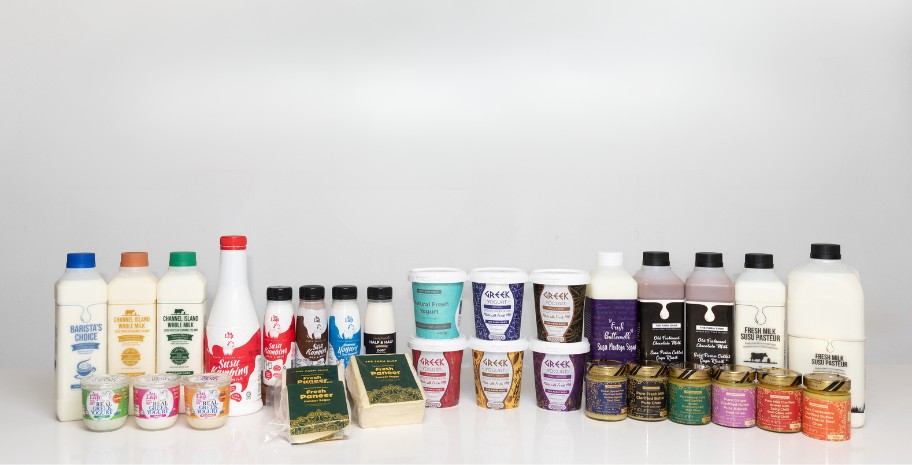
The Farm Shop produces high-quality dairy products for your daily consumption. With options from pasteurized milk, to goat milk and fresh chocolate milk, start consuming dairy products with The Farm Shop today.