
By NICOLE CHEW - [email protected]
The Farm Shop was founded by Dr Tan I-Lene, Sushma Sivasriamphai, Hasniza Ali and Karen Kow – four women united by a shared concern about the food industry.
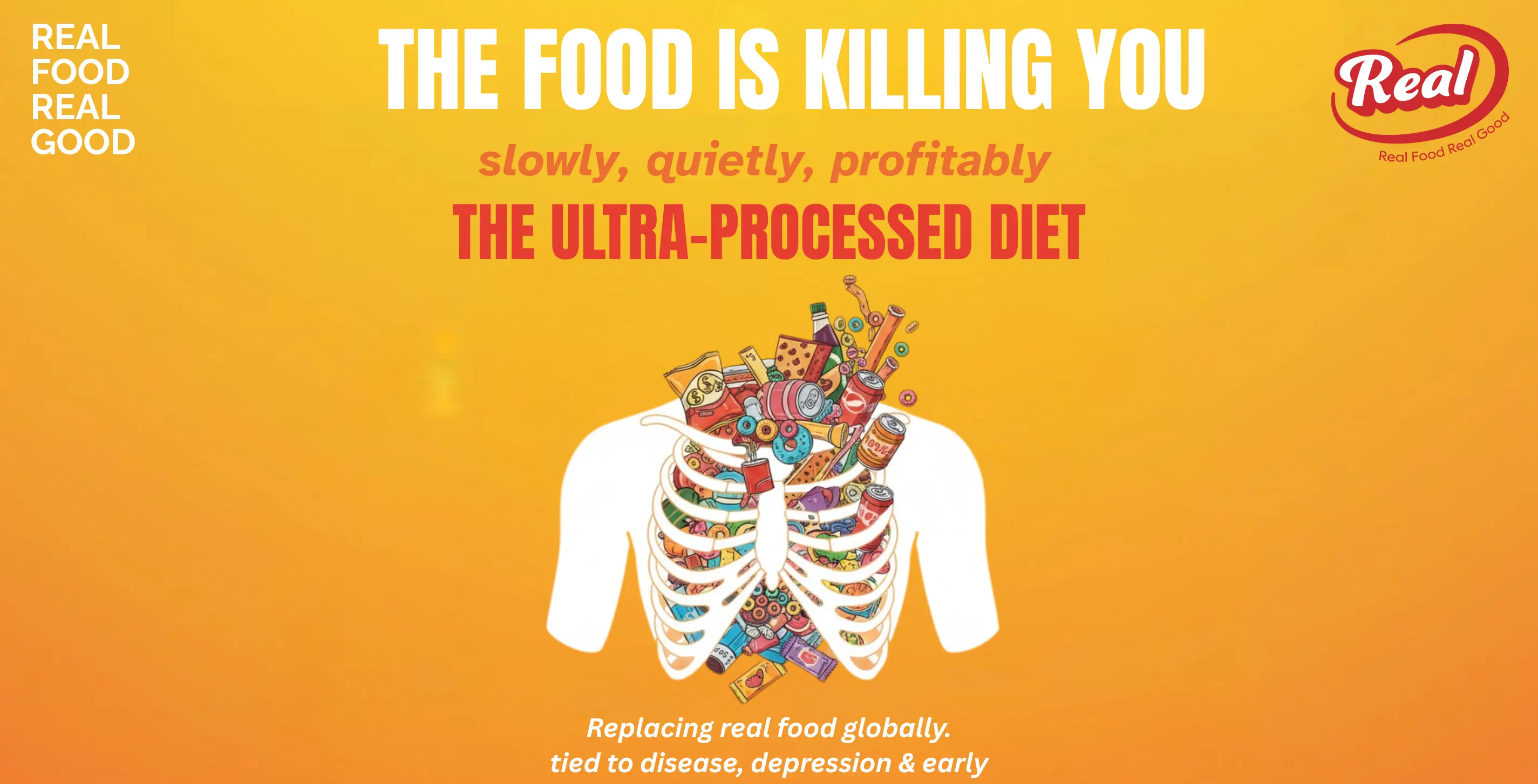
They saw how commercialization prioritized profits over nutrition, leading to ultra-processed foods with additives that sacrificed quality and nutritional value.
Prices rose while fillers replaced wholesome ingredients, and unnatural additives were used to extend shelf life or create addictive eating habits.
“We looked at products in the market and felt that consumers didn’t really have a choice,” Tan tells StarBiz 7. “They’re told that milk is good for them, but don’t realise the options available are over-processed.”
The Farm Shop offers a better alternative, promising fresh, minimally processed, nutrition-packed food that is widely accessible.
In addition to its range of milk and dairy products like yoghurt, paneer and butter, the brand also offers baked goods, fish and meal kits.
“As women, often the primary nutrition providers for their families, we approached this with the mindset of, ‘What would we feed our own families?’ That’s exactly what The Farm Shop delivers,” she explains.
Learn more: Avoiding the Runs from Milk: Unravelling the Mysteries of Milk Digestion
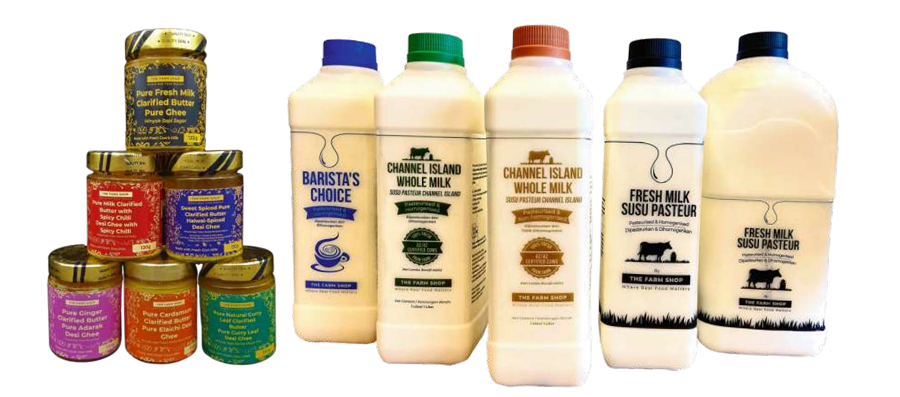
The brand offers a range of dairy products such as ghee and butter. The business offers direct-to-home milk delivery through subscription plans.
The business began in 2016 as two separate ventures. Tan and Kow established Asia Farms Network to support local farmers in bringing their produce to market. At the same time, Sushma and Hasniza launched Onkar Foods, specialising in direct-to-home fresh paneer delivery.
Both businesses were fuelled by the same instinctive drive to supply nutritious, whole foods to families.
“When we eventually met, we realised there was a synergy, and that we could be far more formidable if we joined hands,” Sushma shares.
The companies merged, resulting in the launch of The Farm Shop in 2022. Starting with a team of eight, the business now has 35 employees and two production units. It has also seen significant revenue growth from RM1.7mil in 2022 to RM4.6mil in 2024.
“We spent the first year refining our processes, the second year focusing on product-market fit, and now, in our third year, we are committed to scaling,” she adds.
“Even as we expand, we will still retain our original DNA and vision, and continue to grow both our B2B (business to business) and our D2C (direct to consumer) components.”
The Farm Shop’s products are available in several major supermarkets and retail outlets such as Village Grocer, Ben’s, Food Merchant and Giant.
“This remains our key distribution channel because our motto is that we must be accessible and convenient for customers,” Tan says.
However, direct-to-home delivery is also a big part of our business.” Through a subscription plan, customers can arrange to have fresh milk delivered to their doorstep regularly. At the moment, deliveries are in major urban areas, including the Klang Valley, Penang, Melaka, Johor and Ipoh.
Retail channels make up around 65% of the business’ distribution while direct-to-home has the rest.
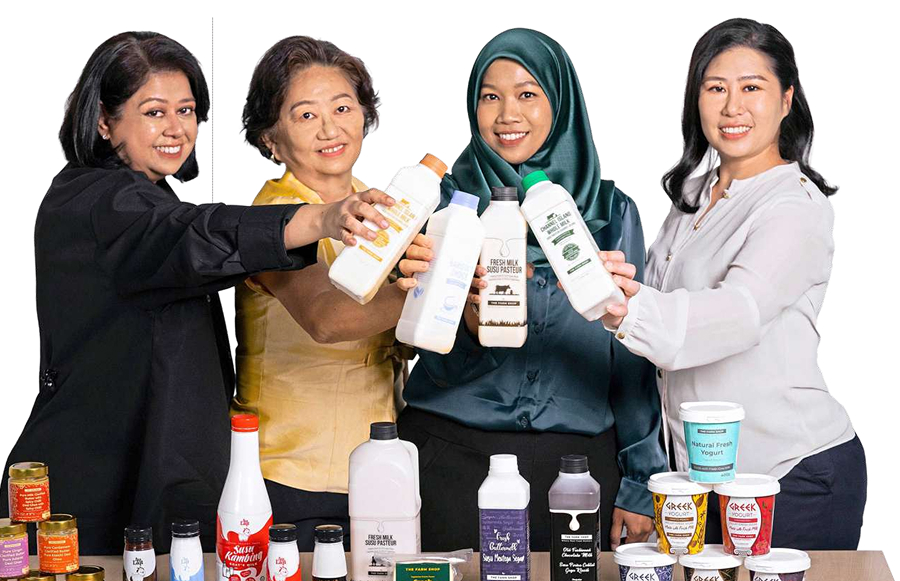
(From left) Sushma, Kow, Hasniza and Tan. The Farm Shop aims to make minimally processed, nutrition-packed food products widely accessible.
The founders reveal that one of the key challenges is managing cash flow, especially with lengthy payment periods often given to large retailers.
“As most of our sales are through supermarkets, our spending is done long before we get paid, so balancing cash flow is a crucial skill that we’ve had to learn,” Tan notes.
Another key challenge is educating consumers on why fresh, minimally processed foods are better for health and nutrition.
“People ask why our milk spoils in a shorter time than other brands. We say that they should be more worried about what preservatives and chemicals are in their milk if it doesn’t spoil,” Sushma says.
“We’re proud that it spoils, because it shows we are persistent about not over-processing the product.”
She adds that if the milk goes off before its best-before date, the company offers to replace the product and deliver it to the customer at no cost, enhancing trust in the brand while raising awareness of the benefits of its fresh milk.
One way the business aims to bridge the knowledge gap and grow a stronger milk drinking culture locally is by tapping into Asian customs and tastes rather than only adhering to Western forms of milk consumption.
“We come up with flavours that are very close to our part of the world. For instance, we have calamansi and yuzu blossom-flavoured lassi, as well as osmanthus Greek yoghurt,” says Tan.
“We want to bring an Asian perspective to dairy consumption, and present it in a way that locals can appreciate and understand.”
Having completed its Series A funding round last year, the company has to date raised a total of RM6.4mil of capital. The business is now on an equity crowdfunding (ECF) campaign through the ECF platform Leet Capital.
The objective, Sushma says, is to provide an opportunity for like-minded people to have a stake in building a healthier, more nutritionally sound future.
“The ECF is our way of inviting Malaysians to, quite literally, put their money where their mouth is, by investing in something that can really make a difference in their own day-to-day life.”