
Milk is a staple in diets worldwide, providing essential nutrients for a balanced lifestyle. However, the way milk is processed significantly impacts its safety, nutritional value, and taste. Two popular methods—pasteurization and boiling raw milk—are often debated for their benefits and drawbacks.
This article delves into the differences between pasteurized milk vs boiling raw milk, shedding light on their nutritional profiles, safety measures, and common misconceptions. Whether you prioritize health, flavor, or convenience, understanding these processes will help you make informed decisions about the milk you consume.
What is Pasteurized Milk?
Pasteurized milk is milk that has been heat-treated at an optimum temperature to kill harmful bacteria and extend its shelf life while preserving its nutritional value. The pasteurization process involves heating the raw milk to a specific temperature—usually around 72-80°C for 15 seconds in the high-temperature short-time (HTST) method—then rapidly cooling it.
How Pasteurization Ensures Milk Safety
The pasteurization process effectively eliminates pathogens such as Salmonella, E. coli, and Listeria, which can cause serious illnesses. While pasteurization does not sterilize the milk, it significantly reduces microbial content, making it safer for consumption without altering its taste or key nutrients.
The Benefits of Pasteurization
High-quality pasteurized milk reduces the risk of diseases and extends the shelf life of milk, making it more accessible and convenient for consumers. As a cornerstone of public health initiatives, pasteurization prevents outbreaks of milk-borne illnesses, supports a reliable food supply, and maintains consumer confidence in dairy products.
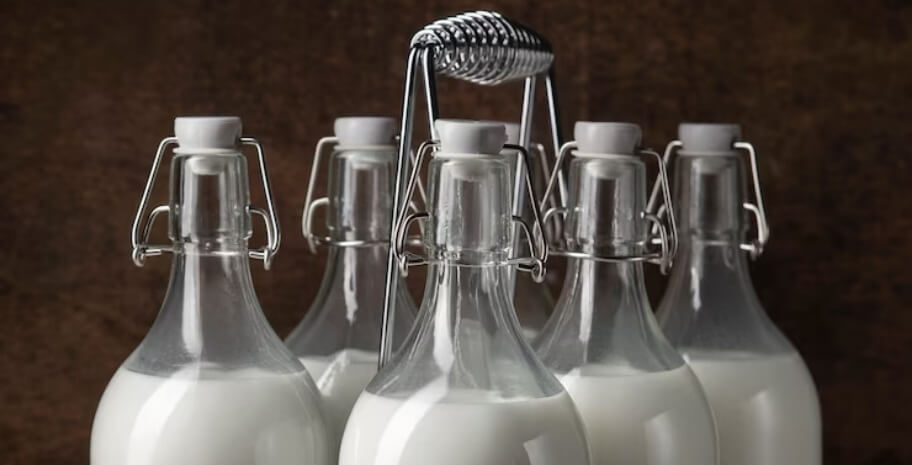
What is Raw Milk?
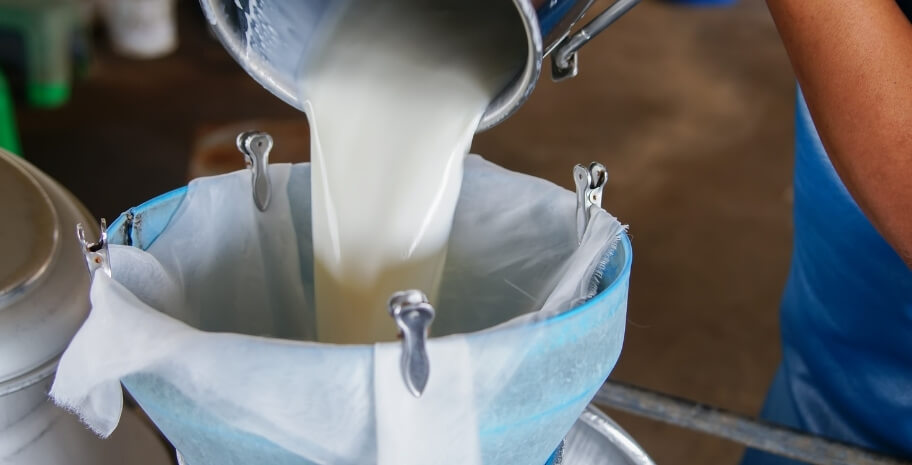
Raw milk is milk that has not undergone pasteurization, meaning it is consumed in its natural state straight from the animal.
Nutritional Claims of Raw Milk
Fresh raw milk is often praised for its rich, creamy taste and claims that it retains more nutrients, enzymes, and beneficial bacteria compared to pasteurized milk. These enzymes and probiotics are thought to aid digestion and boost gut health.
However, raw milk also carries significant risks because it can contain harmful pathogens that can cause severe foodborne illnesses, particularly in vulnerable populations such as children, pregnant women, and those with weakened immune systems.
The Importance of Knowing the Source
Many raw milk consumers have access to their local farms and know the source of their milk, which makes it safer to consume.
While raw milk may have some perceived benefits, its safety concerns have led health authorities to advocate for pasteurization as a reliable way to reduce the risk of disease while still delivering nutritious and safe milk.
Why Do People Consume Raw Milk?
Raw milk is most celebrated for its potential to support gut health due to its rich supply of natural enzymes, probiotics, and unprocessed nutrients. It contains beneficial bacteria, like Lactobacillus, that help foster a healthy gut microbiome, improving digestion and promoting a balanced intestinal environment.
Many people find that the enzymes in raw milk, such as lactase, can aid in lactose digestion, making it a comforting option for some who struggle with lactose intolerance.
Packed with a full array of vitamins, minerals, and amino acids in their purest form, raw milk offers a wholesome, nourishing experience that many feel contributes to overall well-being. For those who value a natural, unprocessed approach to health, raw milk is a powerful ally in maintaining a happy, healthy gut.
What is The Difference between Pasteurized and Boiled Raw Milk?
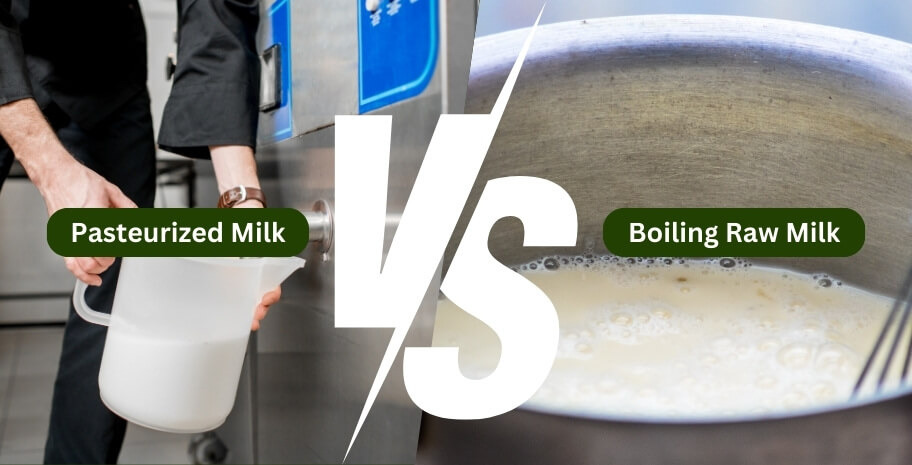
Pasteurized milk is a different process entirely to boiled milk. In contrast, boiling milk involves heating it to 100°C until it begins bubbling for an extended period, which can kill a broader range of microbes, including some heat-resistant strains. However, boiled milk is far less nutritious than raw milk or pasteurized milk because the high temperatures used during boiling can degrade essential nutrients. Prolonged exposure to heat destroys heat-sensitive vitamins like B12, B2, and vitamin C, which are crucial for energy production, nervous system function, and immune health.
Additionally, boiling can denature proteins, affecting their structure and reducing their digestibility. Minerals like calcium and phosphorus may also become less bioavailable due to chemical changes induced by excessive heat. These nutrient losses, combined with changes in taste and texture, make boiling a less optimal method for preparing milk when compared to pasteurization, which preserves more of the milk’s natural goodness. Many store bought milk are ultra processed UHT (Ultra-High Temperature) Milk, they then add nutrients back into the milk chemically making it indigestible and causing many to believe the myth that they have developed lactose intolerance.
In other words, when milk starts bubbling, it's burning and killing all the good nutrients and bacteria that we look for in milk.
Comparison
Perceptions and Misconceptions of Pasteurized Milk
While raw milk enthusiasts argue that pasteurization diminishes some beneficial enzymes and probiotics, these claims are outweighed by the process’s ability to eliminate harmful bacteria, ensuring milk is safe for consumption.
Pasteurizing milk can cause minor changes to its nutrient content, but it largely preserves the milk’s overall nutritional value. The heat treatment slightly reduces levels of certain heat-sensitive vitamins, such as vitamin C and B12. However, these losses are minimal and do not significantly impact the milk's health benefits.
The majority of essential nutrients, including proteins, calcium, and other minerals, remain intact and bioavailable. Additionally, pasteurization does not affect milk's macronutrients, like carbohydrates and fats.
Thus, the nutritional trade-offs are relatively minor compared to the substantial health benefits of pasteurization.
Here are a few factual key points taken from the FDA website:
- Pasteurizing milk DOES NOT cause lactose intolerance and allergic reactions. Both raw milk and pasteurized milk can cause allergic reactions in people sensitive to milk proteins.
- Pasteurization DOES NOT reduce milk's nutritional value.
- Pasteurization DOES NOT mean that it is safe to leave milk out of the refrigerator for extended time, particularly after it has been opened.
- Pasteurization DOES kill harmful germs.
Know What You’re Buying
Checking milk bottle labels and nutrition facts before buying is essential to ensure you select a product that aligns with your health goals and dietary needs. Labels provide valuable information about the type of milk, such as whole milk, skim milk, or plant-based milk alternatives, as well as details on added ingredients like sugar, vitamins, or stabilizers. Nutrition facts help you compare calories, protein, fat, and calcium content, making it easier to choose a fresh milk that fits your lifestyle.
Additionally, certifications like pasteurized milk or organic milk confirm safety and quality standards, ensuring the milk meets your expectations for health and sustainability. At the end of the day, fresh milk is very beneficial for us, and we should keep good quality milk in our pantries at all times.
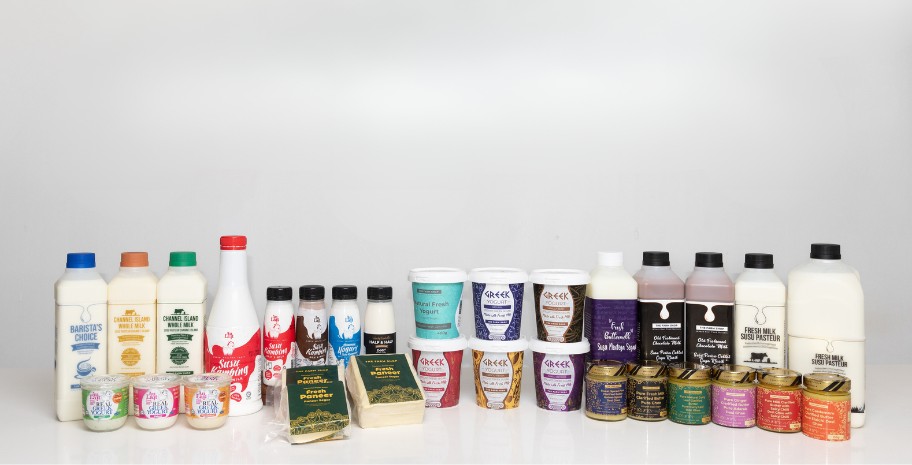
The Farm Shop provides the highest quality locally sourced pasteurized milk for your daily consumption. With options from homogenized and non-homogenized milk, to goat milk, buttermilk and fresh chocolate milk, get milking with The Farm Shop today!
Looking for a Regular Supply of Milk?
Take a look at The Farm Shop’s monthly milk subscription plan, it will ensure that you receive fresh pasteurized milk regularly like clockwork! We want to promote a steady healthy milk consumption to Malaysian people by promoting a farm to door concept, and make high quality milk accessible to all.