
In the realm of dietary woes, lactose intolerance often takes the blame for milk-related digestive issues. There is, however, more to the story than lactose alone, according to Dr Tan I-Lene, co-founder and Managing Director of Asia Farms Network Sdn Bhd (AFN).
In a candid conversation, Dr Tan unravels the complexities of milk digestion, shining a spotlight on the impact of ultra processing and advocating for a return to the wholesome goodness of fresh, minimally processed whole milk, should be available and accessible to all Malaysians.
 Dr Tan I-Lene, co-founder and Managing Director of Asia Farms Network Sdn Bhd.
Dr Tan explains, “The culprit behind milk digestion issues may lie in the process rather than the product itself. Humans digest nutrients in their natural form in a lock and key mechanism. The digestive system has receptors and enzymes that are attuned to specific forms of nutrients to digest them. Ultra processing alters the natural molecular structure of nutrients, making them difficult for the body to digest effectively. Put simplistically, the key cannot fit into the lock. This can lead to a range of digestive problems, including indigestion, bloating, diarrhoea, and even irritable bowel syndrome."
Dr Tan points out that while ultra processed foods may still retain certain levels of nutrition, their digestibility and nutritional quality become questionable. "While nutrients may still be present, their bioavailability and digestibility are compromised, leading to a host of health issues.
“The current method of nutritional analysis of food only detects the presence of nutrients chemically. However, ultra processing can change the natural molecular structure of the nutrients rendering their nutritional quality and digestibility questionable. So, the nutrient may be in the food, but it doesn’t mean that the body can actually digest, absorb or use it.
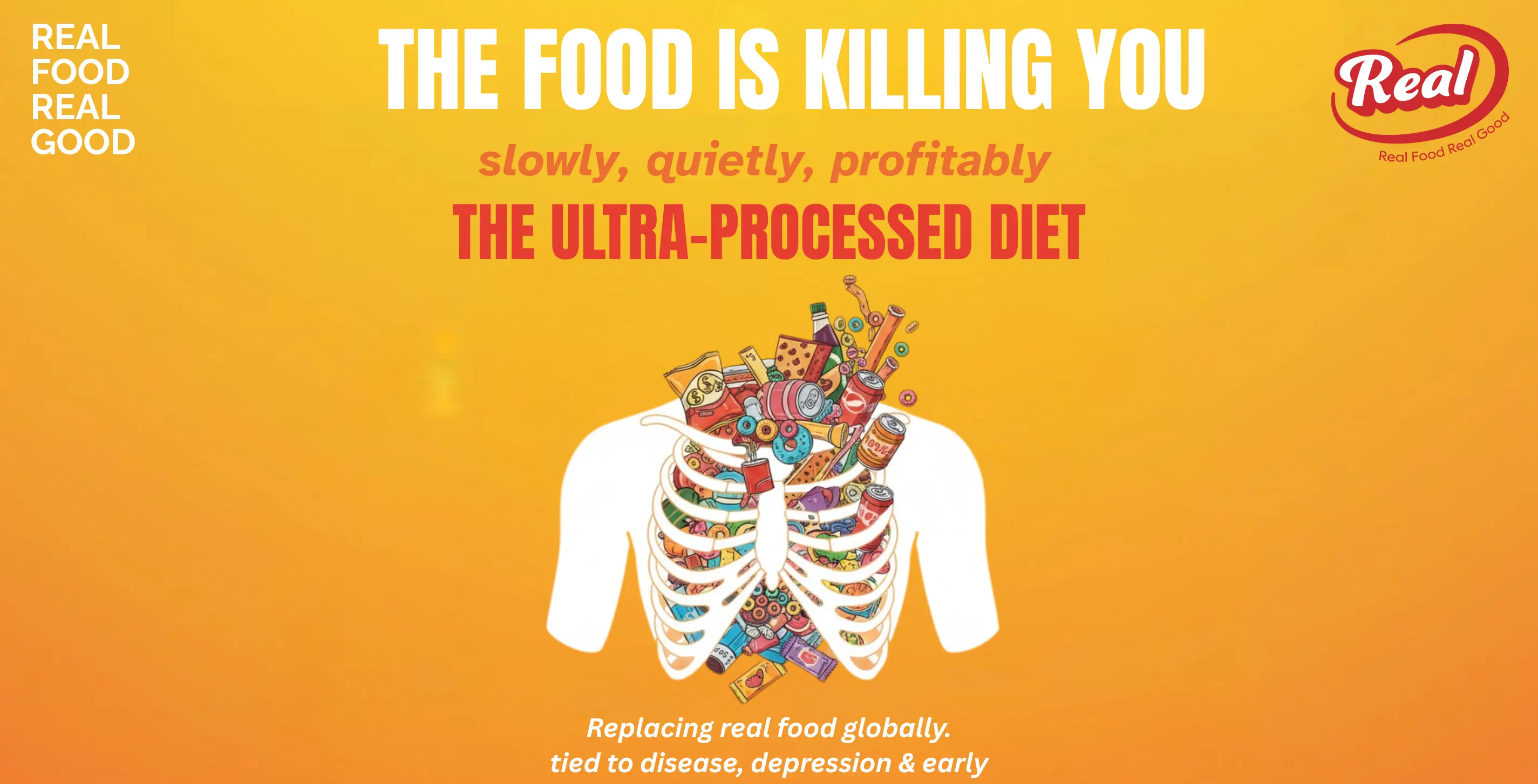
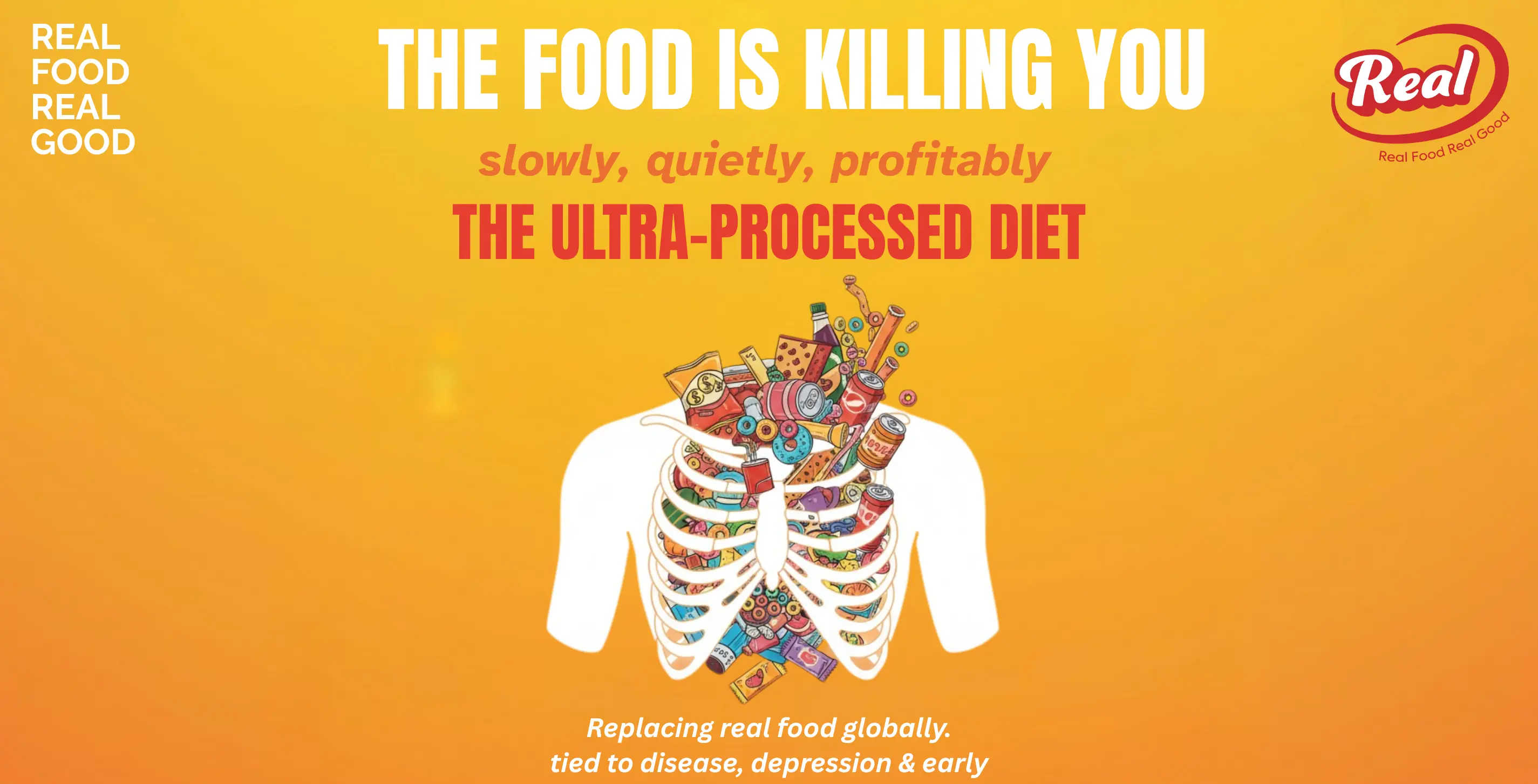
“Research also strongly suggests that Ultra Processed Foods tend to have negative effects in the body as they contain higher amounts of calories, sugar, salt and additives such as preservatives, emulsifiers and stabilisers. Ultra Processed Foods tend to lead to less satiety as the foods are highly processed thus bypass natural digestive processes leading to faster gut transit time and elimination. You feel full for a shorter amount of time and wind up eating more. This phenomenon leads to what is commonly known as ‘empty calories’ and indirectly is one of the causes of weight gain, obesity and even malnutrition in modern society."
“We all know that junk food is bad for us and we should avoid it. The most alarming part of this is when people don’t realise that they are eating ultra processed food because it’s been cleverly disguised and even worse, marketed as healthy”, Dr Tan cautions.
This paints a stark picture of starving people who are overweight but malnourished as we can see after a few generations of consuming Ultra Processed Foods.
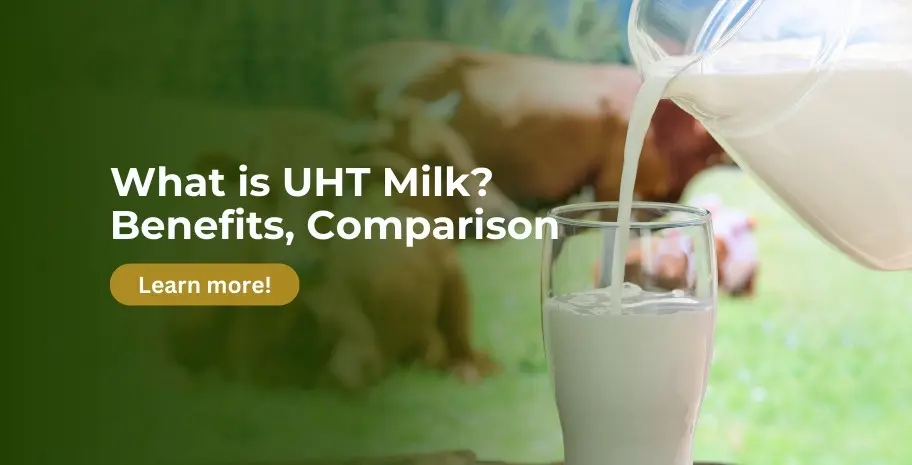
The real danger lies in foods that are disguised as healthy when in fact they are ultra processed. Milk products are a prime example of this. Carton milk available in Malaysia undergo various processing methods such as ultra pasteurisation, heat treatment, or chemical treatments but still sit in the chill section of the supermarket shelves leading consumers to assume that the milk that they are buying is fresh when it could be reconstituted from milk powder or concentrate or contain additives, preservatives, or emulsifiers to extend shelf life.
Dr Tan highlights the importance of distinguishing between fresh milk and ultra processed milk, which often contain additives and preservatives to extend shelf life.
"Why can't Malaysians enjoy healthy, fresh, nutritious, whole milk in its purest, natural form?" Dr Tan questions. She emphasises the need for consumers to be aware of their milk choices, especially considering the alarming rates of malnutrition and obesity in Malaysia.
To address this issue, AFN works with local family-owned farms to provide Malaysians with fresh, locally produced milk. Dr Tan believes in supporting small farmer-owned agriculture, which not only promotes a sustainable local economy but also ensures consumers have access to the freshest, most nutritious foods.
AFN's flagship product, The Farm Shop Channel Island A2/A2 whole milk, offers consumers a healthier alternative. Dr Tan explains that A2 milk protein, found in purebred Jersey cows, is more easily digested and less likely to trigger inflammatory reactions in the gut compared to regular A1 milk.
As the dairy landscape evolves, Dr Tan emphasises the role of companies in shaping a healthier, more sustainable future. By prioritising minimal processing and ethical sourcing, businesses can empower consumers to make informed dietary choices.
For AFN, the mission is clear: to make healthy, minimally processed foods accessible to all Malaysians. Through innovative channels and steadfast commitment to quality, AFN invites consumers to embark on a journey towards holistic wellness.
"We're committed to offering Malaysians fresh, minimally processed whole milk that's not only nutritious but also sustainable," Dr Tan says. "It's time for companies to prioritise the health and well-being of consumers by minimising the processing of fresh foods."
In the pursuit of a healthier nation, every sip of milk counts. With AFN leading the charge, Malaysians can savour the taste of freshness and nourishment, one glass at a time.
The Farm Shop’s range of fresh, minimally processed foods can be found at most major grocery stores including but not limited to Village Grocer, Ben’s Independent Grocer, The Food Merchant, AEON supermarkets and LuLu Hypermarkets, or can be purchased for direct-to-home delivery from www.thefarmshop.my